

You deliver great work. Your clients love you. They tell their friends about you.
So why does it feel like your business has stopped growing?
You check your phone. You wait for the next referral. But it doesn’t come. Meanwhile, a competitor with half your experience seems to be everywhere online.
Here’s the truth. Word of mouth got you here. It proves people trust you. That matters a lot.
But there’s a ceiling you’ve hit. Most business owners don’t see it until growth stalls for months.
Word of mouth marketing limitations are real. They’re not about your reputation. They’re about simple math and how markets work today.
In this post, you’ll learn:
- Why referrals naturally cap out (even when you’re doing everything right)
- The hidden risks of depending only on word of mouth
- Simple ways to diversify marketing channels without feeling “salesy”
Let’s start by understanding what’s really happening.

The Hidden Math Behind Referral Limits
How Referral Networks Actually Work
Think of your happy clients like a garden. Each client knows other people. Some of those people might need your services.
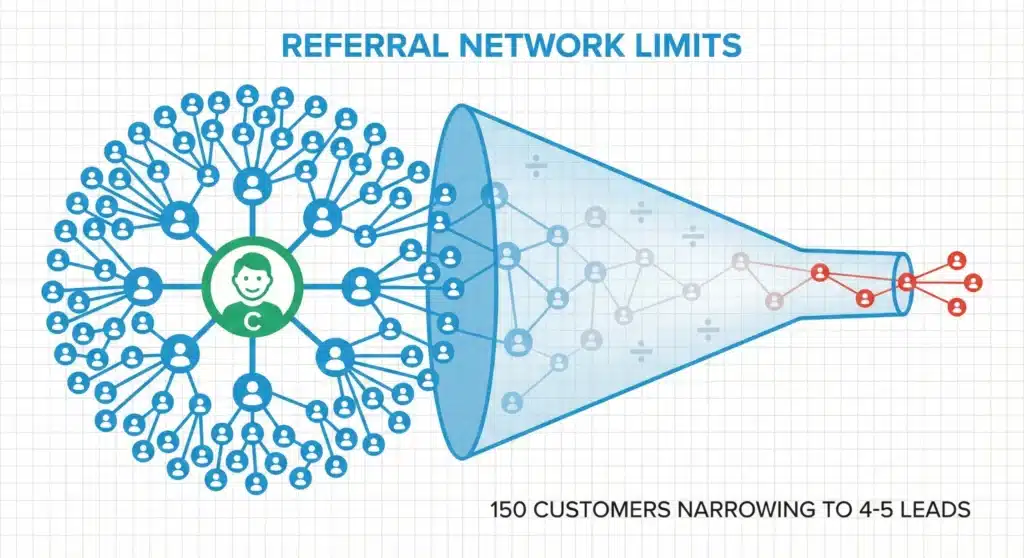
But here’s the thing. Each person only knows about 150 people well. That’s a real number scientists have studied.
Of those 150 people, only about 10-15% might actually need what you offer.
Let’s do the math together:
- You have 50 happy clients
- Each knows 150 people
- Only 12% might need your service
- Only 5% of those will actually call you
That’s just 4-5 new leads per year from each client. Not per month. Per year.
Key takeaway: The ceiling isn’t about your quality. It’s about math. Your network has limits.
The “Referral Fatigue” Effect
Here’s something nobody talks about. Even your biggest fans stop referring after a while.
It’s not because they’re unhappy. They just forget. Life gets busy. You’re no longer top of mind.
Think about it. When was the last time you recommended your dentist to someone? Probably not recently. Even if you love your dentist.
This is referral fatigue. It happens to every business that relies only on word of mouth.
Your competitors who show up online stay visible. You become “out of sight, out of mind.”
Why Your Best Clients Rarely Refer
Here’s a strange truth. Your highest-paying clients often refer the least.
Why? They run in smaller circles. They guard their network. They simply don’t think about referring.
The chatty client who pays less? They tell everyone about you. The premium client who pays more? They might never mention you.
This creates a problem. You want more premium clients. But they don’t produce more of themselves.
The Real Risks of Depending Only on Referrals
The Feast-or-Famine Cycle
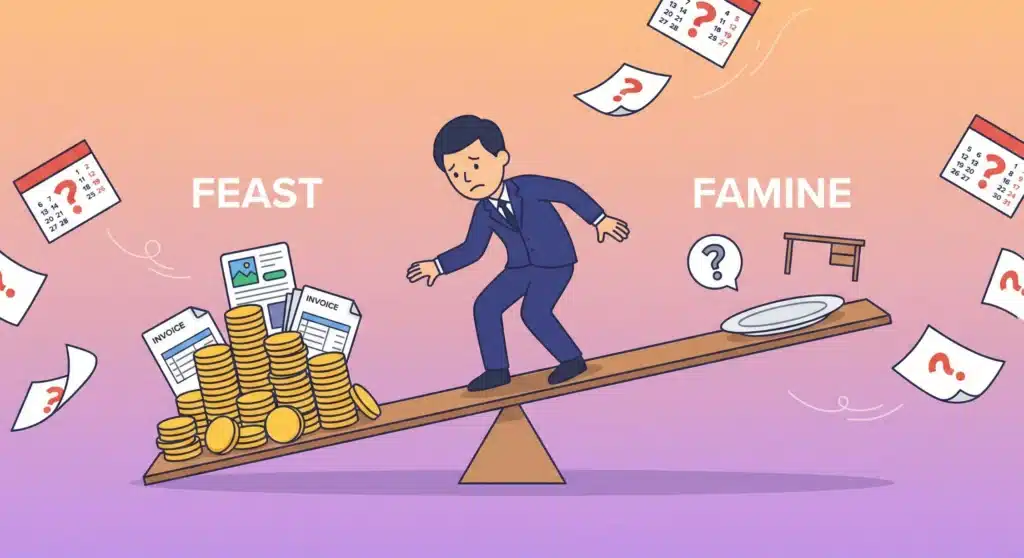
When referrals are your only source of leads, you can’t control timing.
One month you’re overwhelmed with work. The next month, nothing.
This makes everything harder:
- You can’t plan your cash flow
- You can’t hire confidently
- You live with constant worry about “where’s the next client?”
The organic growth limitations of word of mouth create stress. Even when business is good, you’re never quite relaxed.
Key takeaway: Unpredictable income isn’t a business model. It’s a gamble.
What If Your Top Referrer Disappears?
Let me tell you about Mike. He’s a contractor who built his business on referrals.
One real estate agent sent him 40% of his work. Life was good.
Then that agent moved to another state.
Mike’s income dropped almost in half. Same quality work. Same reputation. But his main referral source was gone.
Most referral-dependent businesses rely on just 3-5 people for most leads. That’s a big risk hiding in plain sight.
The Competitors You Can’t See
While you wait for referrals, something else is happening.
Your competitors are showing up when people search online. They’re getting found first. Your name never enters the conversation.
You’re not losing to better businesses. You’re losing to more visible ones.
Someone might even get a referral about you. Then they Google your name. They find nothing. Or they find a competitor with 47 reviews.
Guess who they call?
How Today’s Buyers Actually Find Services
The Research Habit Everyone Has Now
Here’s a fact that might surprise you. Over 80% of people research online before buying anything. Even local services.
Even when a friend recommends you, the buyer still Googles you.
They want to see:
- Your website
- Your reviews
- Proof that you’re real and trustworthy
If they can’t find you online, they get nervous. They might choose someone else instead.
Customer acquisition for small business has changed. Referrals start the journey. But the internet often finishes it.
The Trust Stack
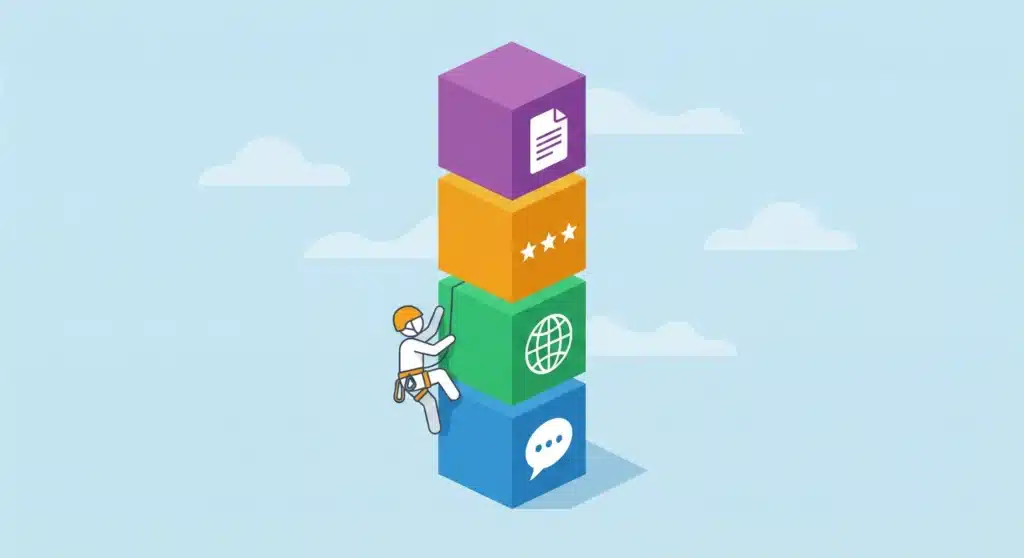
Modern trust works in layers. Think of it like a stack of building blocks:- Referral — Someone mentions your name
- Online presence — They can find you easily
- Reviews — Others confirm you’re good
- Content — You show you know your stuff
Key takeaway: Being good at your job isn’t enough. People need to find you AND trust you before they call.
Visibility Isn’t Being “Salesy”
Many small business owners worry about this. They think marketing means being pushy or fake. But here’s a different way to see it. Marketing is simply being findable. It’s showing up when people already want help. You’re not interrupting anyone. You’re just being visible to people who are already searching. That’s not salesy. That’s helpful.
Simple Ways to Diversify Without Overwhelm
Start Where You’re Strong
You don’t need to abandon word of mouth. You need to amplify it.
Here’s how:
- Ask happy clients for Google reviews
- Share testimonials on social media
- Create a simple referral program with small rewards
One referral can become three touchpoints. The referral, the review, and the social post all work together.
This is a referral marketing strategy that builds on what you already have.
Pick One Channel to Add First
Don’t try to do everything at once. Pick one thing based on your business:
If you’re a service business (plumber, accountant, consultant):
Start with Google Business Profile. Make it complete. Get reviews there.
If you’re a coach or consultant:
Start with LinkedIn. Share helpful tips. Build an email list.
If you’re local retail or trades:
Start with local search optimization. Maybe test a small ad budget.
Key takeaway: You don’t need five new channels. You need one, done consistently.
Building Sustainable Lead Generation
You’re busy. You don’t have hours to spend on marketing.
Good news. You don’t need hours. You need consistency.
Here’s a simple weekly plan:
- Monday: Post one helpful tip on social media (15 minutes)
- Wednesday: Ask one client for a review (5 minutes)
- Friday: Check your Google Business messages (10 minutes)
That’s 30 minutes a week. It adds up over time.
Small business growth strategies don’t require big time investments. They require showing up regularly.
Creating a Growth Plan That Works
The 70/20/10 Balance
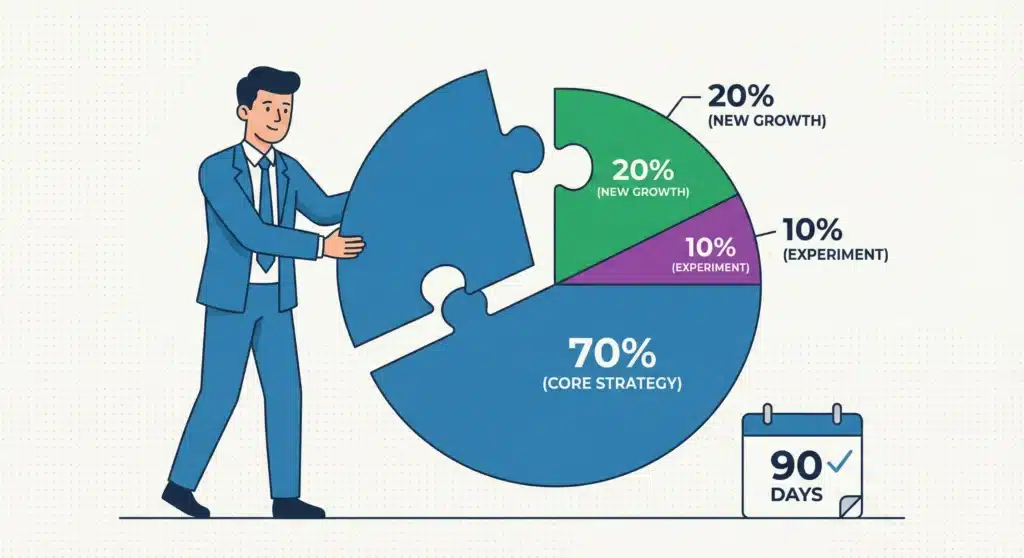
Here’s a simple framework for your marketing effort:
- 70% — Keep doing what works (including word of mouth)
- 20% — Improve and amplify current efforts
- 10% — Test something new
This protects you from risk. You’re not abandoning referrals. You’re just not depending only on them.
If you spend $1,000 monthly on marketing, it might look like:
- $700 on referral program and relationship building
- $200 on getting more reviews and improving your online presence
- $100 on testing one new channel
Simple Metrics to Track
You don’t need fancy software. A simple spreadsheet works fine.
Track these things:
- Where did each lead come from?
- How many leads from each source?
- How many became paying clients?
After a few months, you’ll see patterns. You’ll know what’s working.
Digital marketing for SMEs doesn’t have to be complicated. Start simple. Improve over time.
Your 90-Day Roadmap
Here’s a simple plan to get started:
Month 1:
- List your current referral sources
- Set up or improve your Google Business Profile
- Ask 10 happy clients for reviews
Month 2:
- Create 3 helpful posts (blog or social)
- Add an email signup to your website
- Keep asking for reviews
Month 3:
- Test one paid channel with a small budget
- Track where leads come from
- Adjust based on what you learn
After 90 days, you’ll have multiple ways to get leads. Not just one.

Conclusion
Word of mouth built your business. That’s a testament to your quality.
But word of mouth marketing limitations are real. There’s a ceiling. You’ve probably already hit it.
Diversifying isn’t about abandoning what works. It’s about protecting your business. It’s about removing the cap on your growth.
You don’t need to become a marketing expert. You don’t need to spend thousands.
You need one additional channel. Done consistently.
The businesses that thrive long-term aren’t just the ones with great referrals. They’re the ones that can find new customers on their own terms.
Your Next Step
Start small today. Pick one action from this post:
- Ask one happy client for a Google review
- Check that your Google Business Profile is complete
- Write down where your last 10 clients came from
One small step leads to the next. That’s how sustainable lead generation begins.
Frequently Asked Questions
How long does it take to see results from diversifying marketing channels?
Most small businesses start seeing initial results within 60-90 days. However, meaningful impact usually shows around 6 months. Online channels like Google Business Profile can generate leads faster than content marketing. The key is consistency. Even small weekly efforts compound over time.
What's the best first marketing channel for a small business with a limited budget?
Google Business Profile is the best free starting point for most local businesses. It costs nothing and puts you in front of people already searching for your services. For service professionals like coaches or consultants, LinkedIn offers strong organic reach without paid ads. Start with one channel that matches where your customers already look.
Will adding digital marketing hurt my existing referral relationships?
No. Digital marketing actually strengthens referrals. When someone recommends you, the referred person will search for you online. A strong online presence confirms what the referrer said. Reviews, a good website, and helpful content all support the referral. You're not replacing word of mouth. You're amplifying it.
How do I know if word of mouth is actually limiting my growth?
Look for these warning signs: unpredictable monthly income, long gaps between new clients, most leads coming from just 2-3 people, and competitors with less experience getting more visibility. If you've been stuck at the same revenue level for over a year despite good client satisfaction, word of mouth has likely hit its ceiling.
Can I diversify my marketing without spending money on ads?
Absolutely. Many effective strategies cost nothing but time. Ask for Google reviews. Post helpful tips on social media. Optimize your Google Business Profile. Start an email newsletter. Write helpful blog posts. These organic methods build sustainable lead generation without ad spend. Paid ads can come later once you know what messaging works.